
Our History
-
First evidence of settlement, probably by people from Samoa
-
Migration from Tonga; Niuean language and customs at this time strongly reflect Tongan influences
-
First European landing on Niue, by British explorer Captain James Cook
-
First contact with Christian missionaries
-
Peruvian slavers land and take many male islanders
-
British protectorate status granted
-
Niue annexed to New Zealand as part of Cook Islands
-
Separate administration for Niue and Island Council established
-
Island Council replaced by elected Legislative Assembly
-
By an act of self-determination, Niueans choose status of self-government in free association with New Zealand
01About Niue
Traditions and Culture
Niuean’s take pride in their many traditions and culture being handed down from generation to generation as a ‘living entity’ where many are still being observed today. Cultural values are also well preserved today as it is from the past where our forefathers greatly contribute their well-kept knowledge that can be handed down to future generations. Niuean culture and craft are key components of “Tāoga Niue” and mean everything to a Niuean.
Religion in Niue is sacred which is preserved on a Sunday and is widely consider as a day of worship and rest. The church plays a large part in the community and there are many denominations catered for. The beautiful singing at churches on Sunday is a significant event to witness during mass despite whatever belief or religion you follow. However appropriate dress wear should be adhered to on Sunday to respect the community at large and visitors are asked to be considerate of the local Sunday observances.
Many people play golf, go sightseeing and swimming on Sunday, but certain activities such as boating and fishing are not allowed Anyone not sure of Sunday protocols are welcome to check at the Visitor’s Information Centre for guidance.
To name a few, here are some cultural traditions that are still very much observed today:

Haircutting and Ear Piercing Ceremony
This is a major event for a teenage boy in his hair cutting ceremony when a long tail of hair that is kept since childhood is removed. Guests and families are invited to this special event followed by a large feast where each invitee contribute hundreds of dollars to a fund that goes to the boy after the ceremony costs are paid for.
Girls on the other hand will get theirs ears pierced for the first time since birth usually by a representative from each side of girl’s parent family adorned with gifts and well wishes for the future ahead.

Arts and Crafts
Niue is also well known for its renowned and unique culture displayed by exquisite bags and hats as seen on show days and at the local market place in Alofi. The materials used to make the crafts are sourced and prepared locally through traditional methods both used by men and women.
Niuean culture and craft are key components of our ‘Taoga Niue’ and mean everything to a Niuean

Annual Village Show Day
This is an annual event for each village and is considered as a memorable experience of local and European cuisine, handicrafts and fun. The host village will set up stalls and prepare assorted foods to sell.
Language
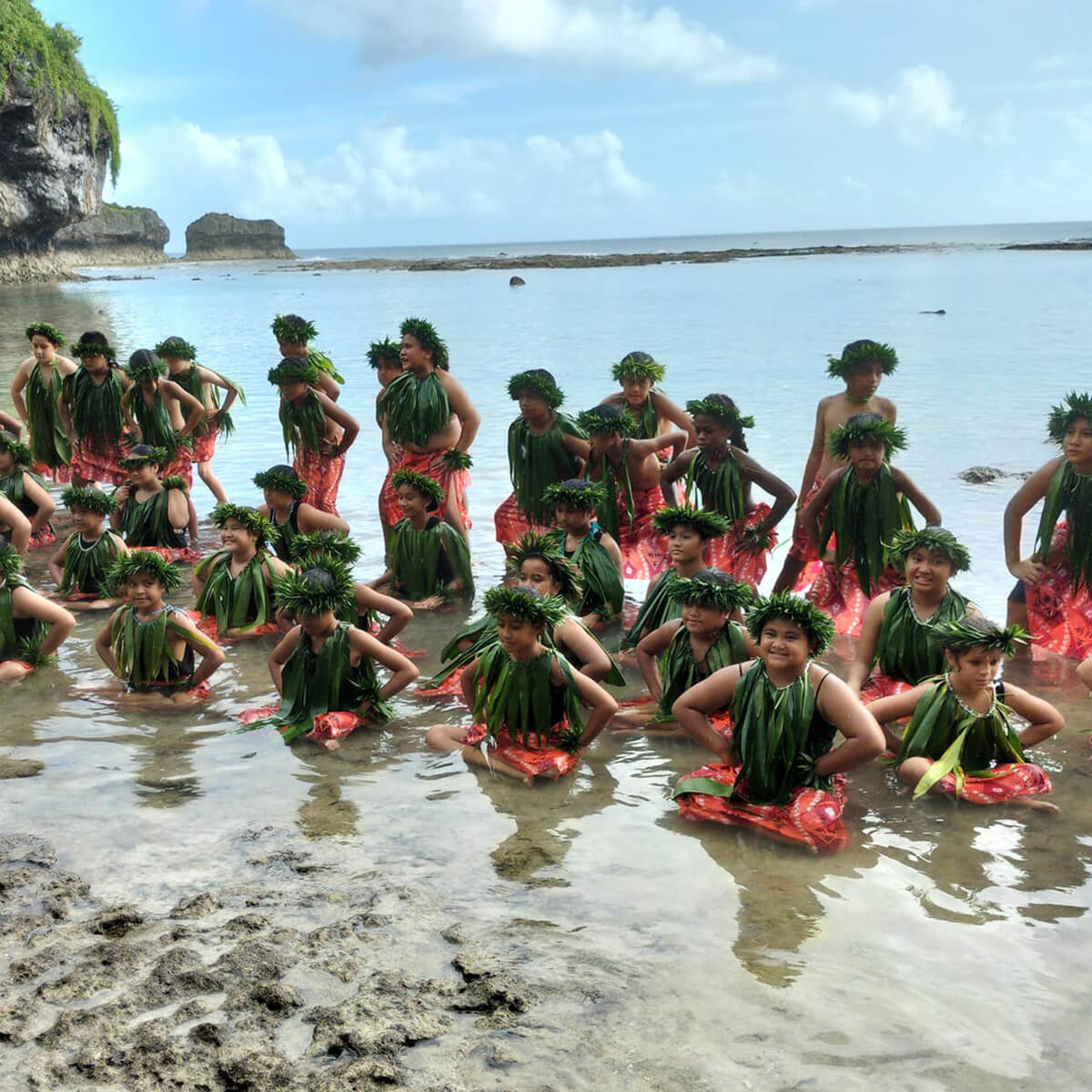
The most important aspect of culture to a Niuean descendant passed down from our ancestors to generations of generations clearly symbolises how strong culture is preserved to date. Our language defines us as true Niueans and will always be cherished by generations in future.
Takai
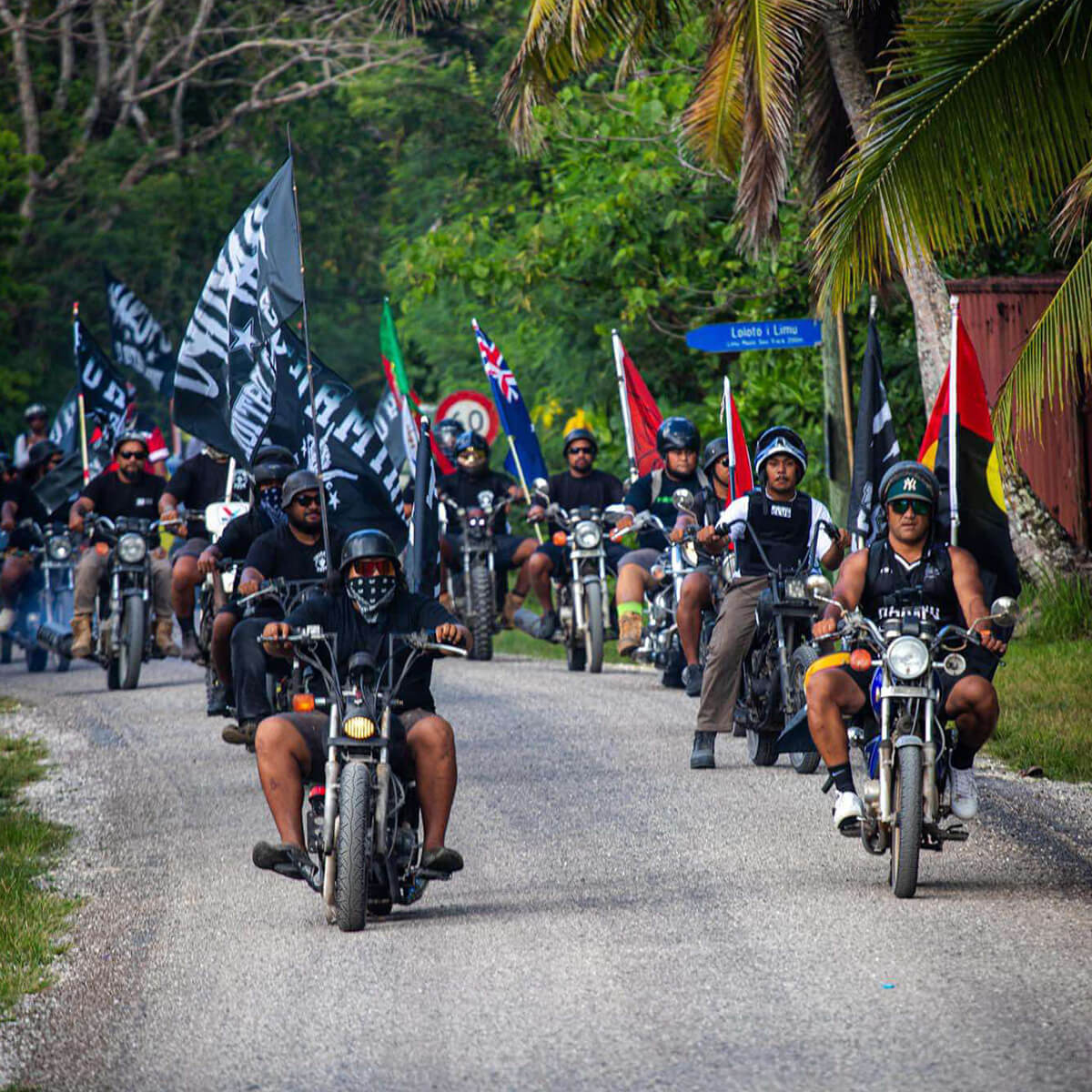
This is one significant event for Niue as it is the day that everyone from each village will get to decorate their vehicles or transport with fancy items and will go around the island beeping their horns/sirens as they go. The people from each vehicle will also give out goodies especially lollies to whoever is left behind at each village upon their arrival to watch the takai.